
- Year
- 2026
- Client
- Guillaume Leloup
- Services
- Branding
- Link
- https://www.guillaumeleloup.com/
Guillaume Leloup
A vision without a brand
Menswear has its codes. Usually the same ones. Navy suit, white shirt, white sneakers. Welcome to 90% of the male wardrobe. Guillaume Leloup decided something was missing.
More feminine pieces. More considered. More crafted. A highly niche proposition. A hyper-eccentric universe. Price points that reflect the materials and the workmanship behind them. In short: anything but a well-trodden path.
To give that vision a brand worthy of its ambition, he needed an identity unlike anything else out there.
Guillaume Leloup, a real marketer
Guillaume Leloup is a real stylist who’s goal was not just trending on Instagram. He’s a creative who lives and breathes his own universe, and he had already completed his first collection before walking through EPIC’s doors. He knew exactly what he wanted to create. What he didn’t yet know was how to turn that vision into a brand.
His conviction? That there was a gap in menswear. Room for something radically different. Bolder. More precious. Closer to haute couture than everyday dressing. The kind of pieces you don’t find by searching ‘men’s jumper’ on Google.
Decoding a world that already existed
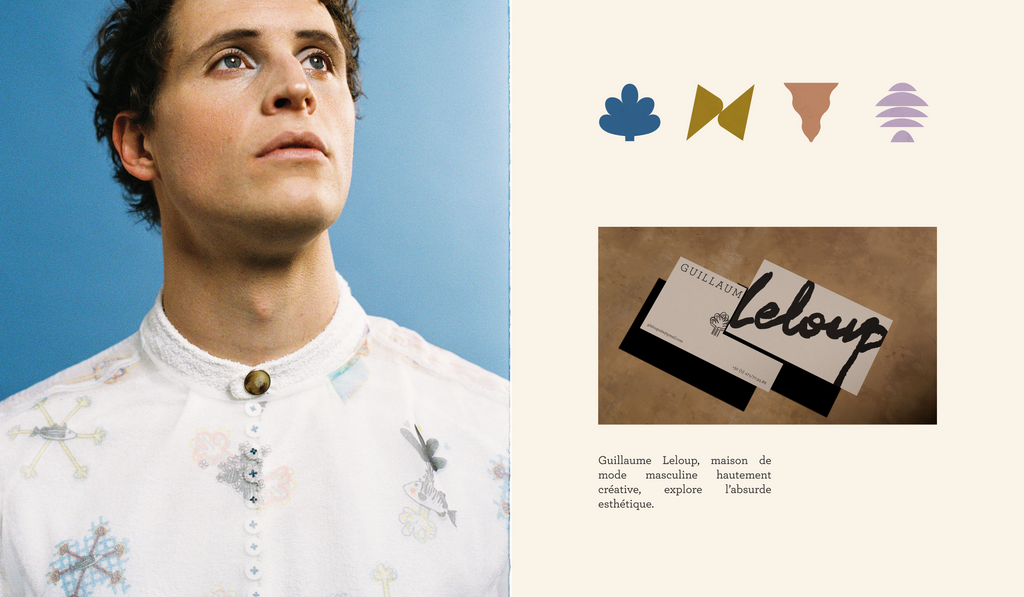
With Guillaume Leloup, the first workshop took on a very particular dimension. There was no blank page. The universe already existed. The garments were there. The materials, too. Leather, salmon skin, noble textures: everything was already speaking.
Cyrielle’s work, as our brand strategist, was to decode that universe. To understand what made it distinctive. To structure it into a coherent strategy. Not to reinvent it. To reveal it.
The second workshop pushed the thinking a step further through a series of creative projection exercises. The idea was to stretch the universe to its most expressive version, almost caricature-like, before pulling it back to something grounded and actionable.
The outcome: a clear positioning. A defined brand essence. Why the brand exists. What makes it different. What it promises to the people who wear it. All of that before touching a single visual direction. That’s the difference between branding and a nice-looking logo.
One brand, many faces
Working with a creative profile like Guillaume Leloup offers a rare opportunity: the chance to build a polymorphic brand identity.
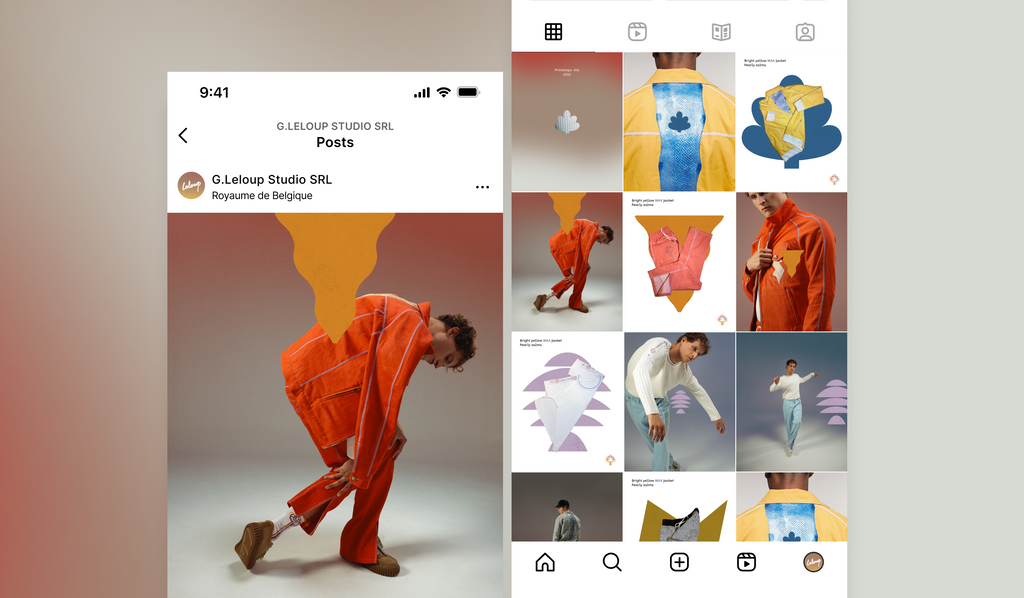
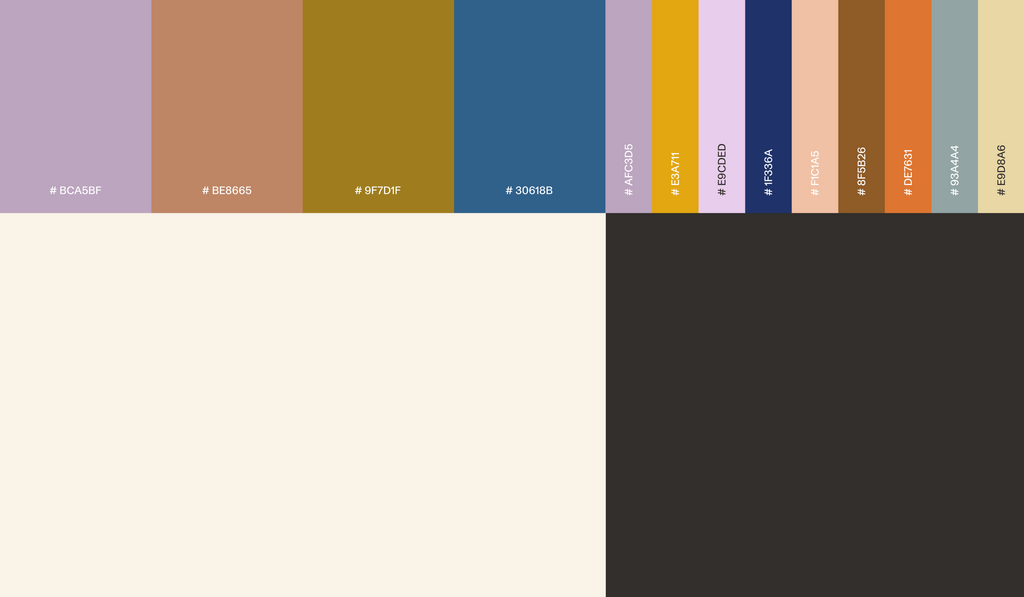
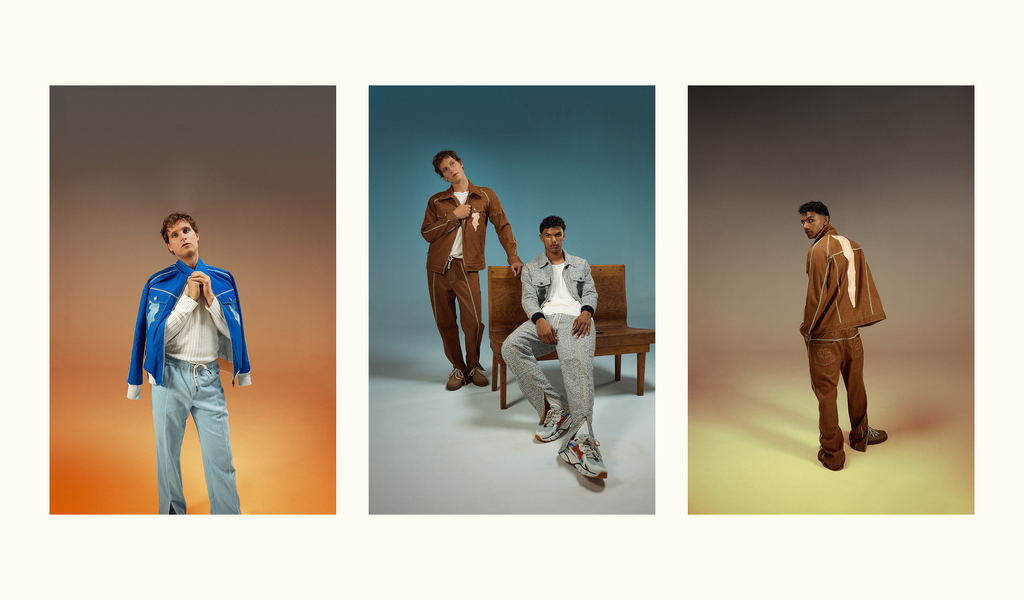
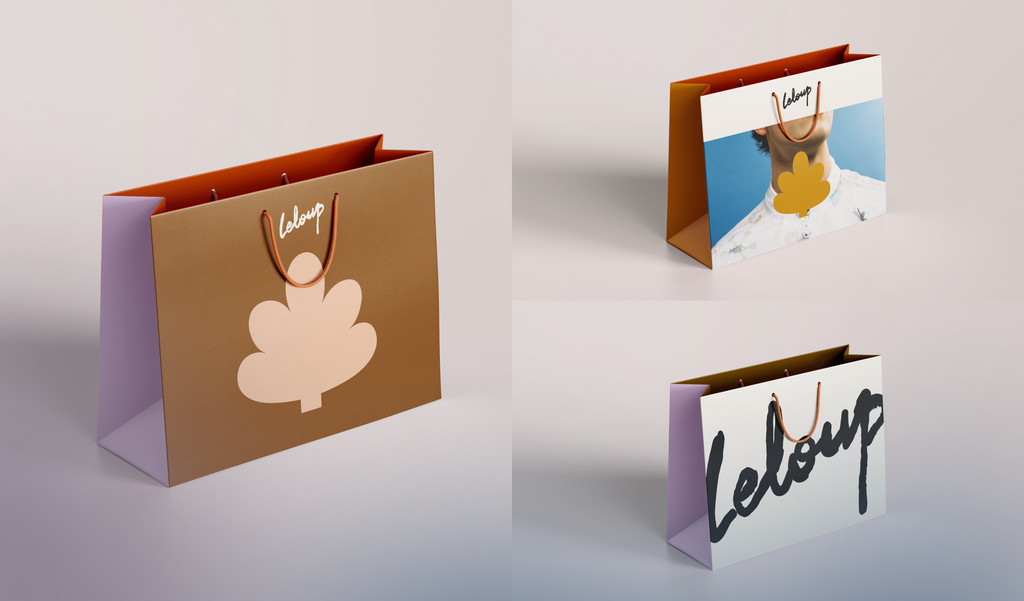
Some brands need strict guidelines to keep them from losing focus. Guillaume Leloup, on the other hand, could (and should) have a visual system capable of evolving from one collection to the next. A play of shapes and colours that shifts in texture. Moving from gradients to matte finishes, from vibrant to subdued, while maintaining a recognisable thread throughout.
That was Wen Zhu’s role as our designer: creating a dedicated expression for each collection. Its own colours. Its own patterns. Its own graphic materials. Without ever losing the brand’s thread. An identity that lives.
When texture becomes the art direction
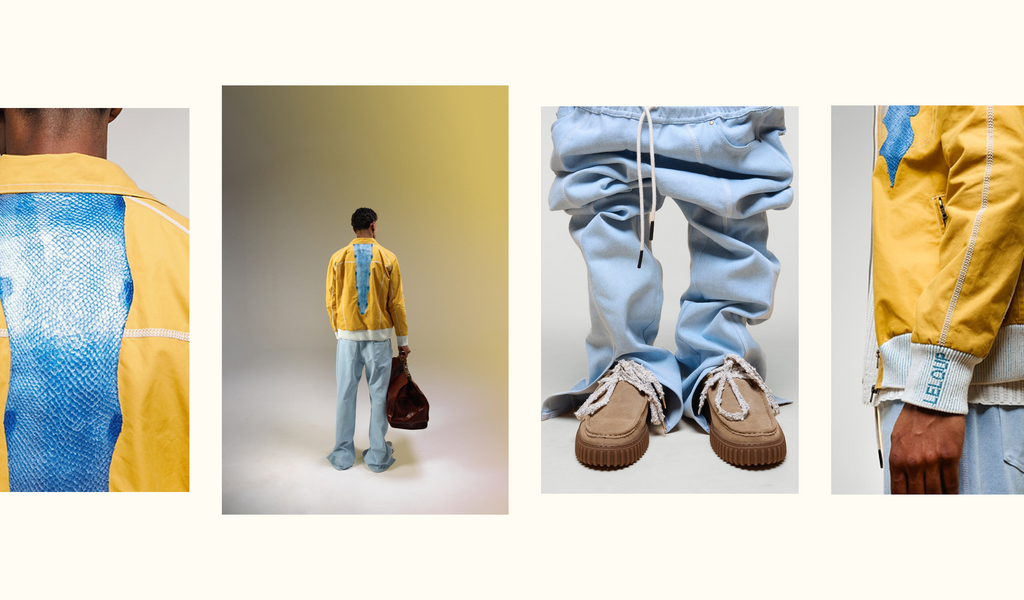
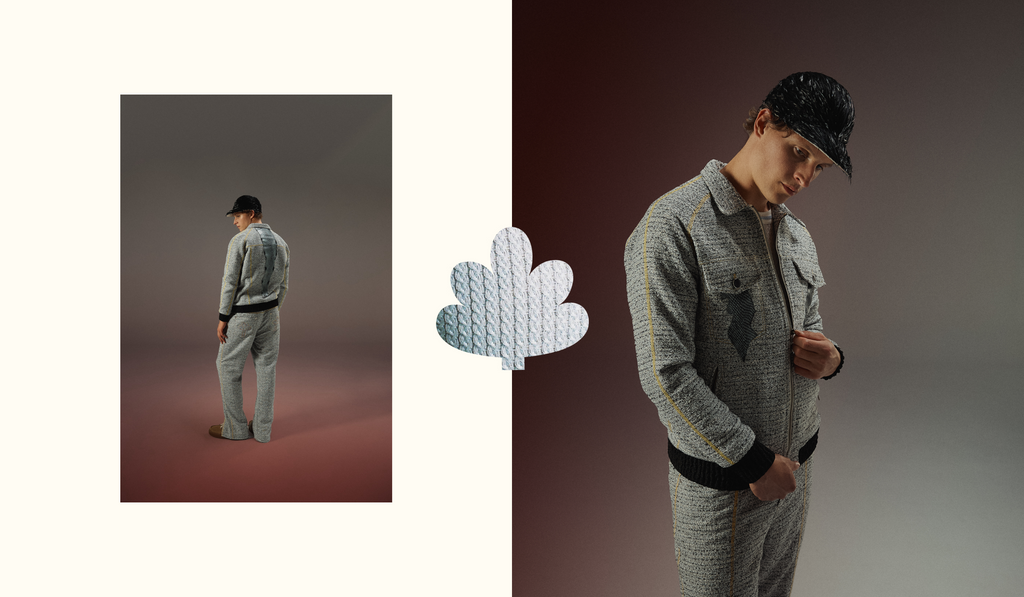
For a brand like Guillaume Leloup, photographic art direction was a critical challenge. In niche, high-end fashion, imagery is the brand experience.
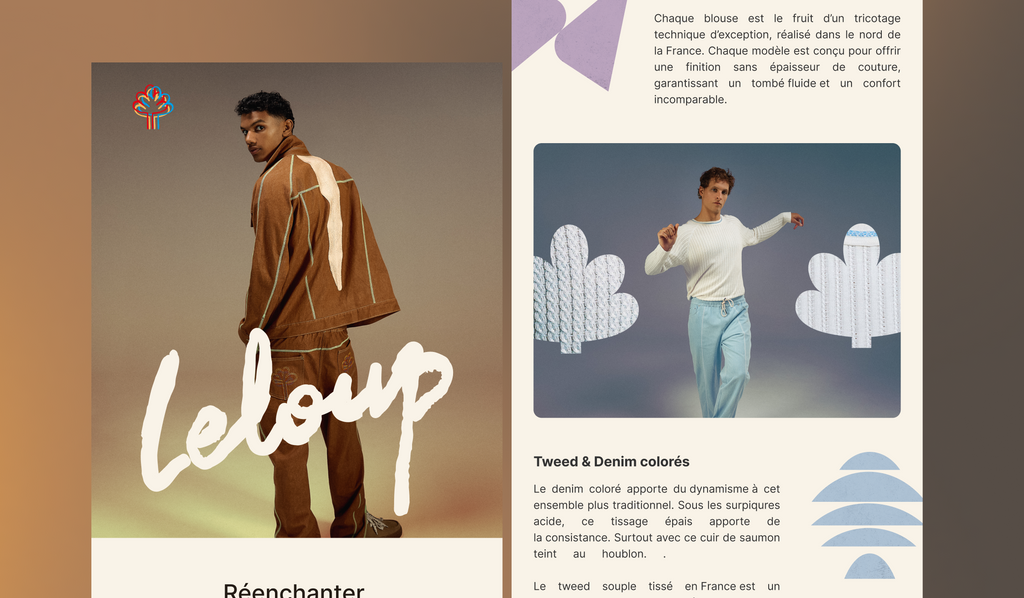
We developed a visual direction designed to elevate texture and highlight the craftsmanship behind every piece. Salmon skin. Worked leather. Noble materials. When photographed well, these elements tell a story that words alone cannot carry.
And we pushed the idea further. Even within the brand presentation document, we suggested using papers with different colours and textures to extend the sensory experience beyond the screen. Because at Guillaume Leloup, texture isn’t just a detail. It’s the project.
A complete toolkit from day one
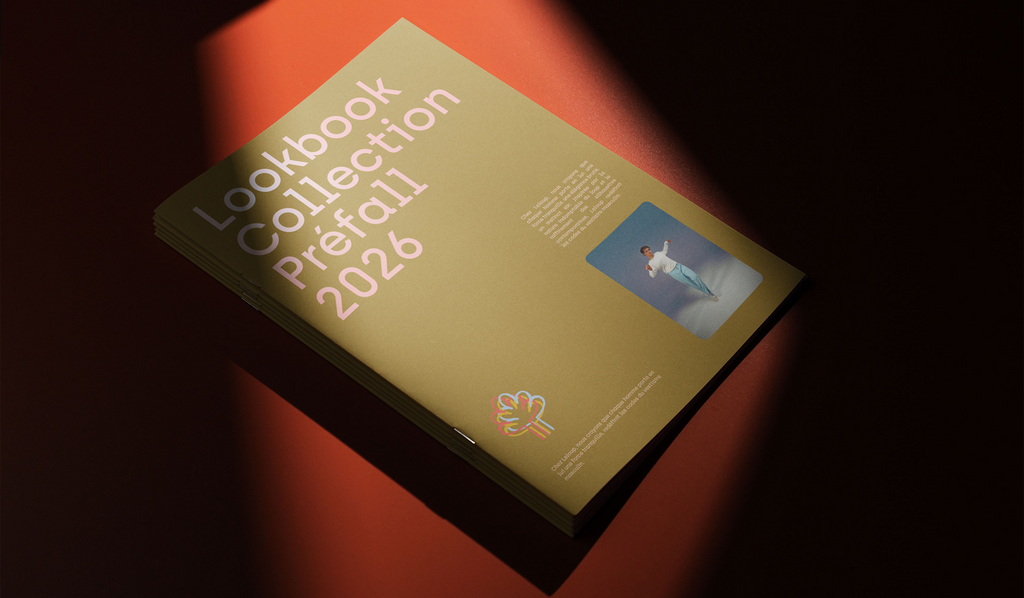
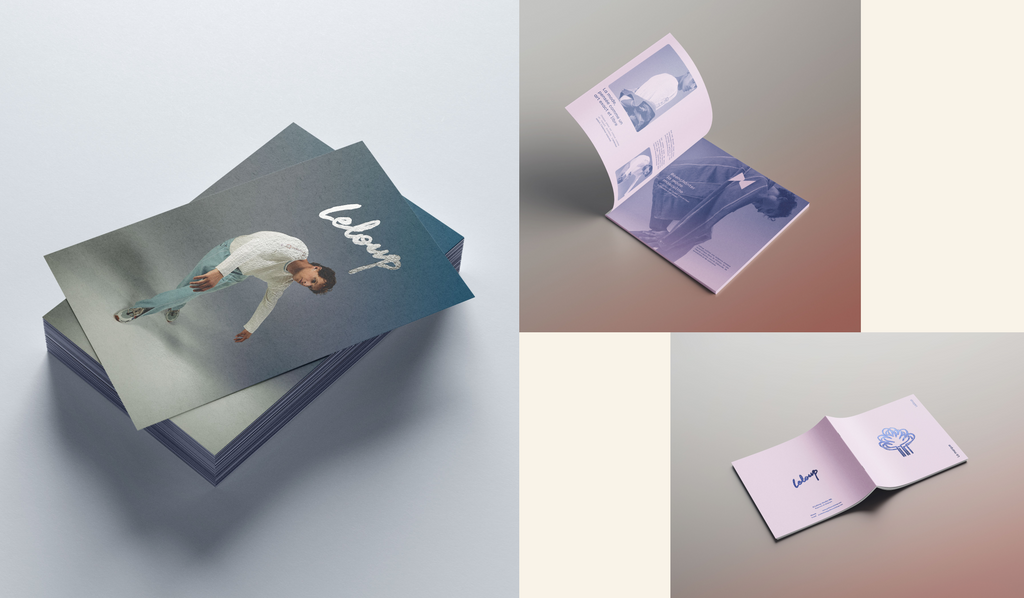
Beyond strategy and visual identity, we delivered a complete communication toolkit. Social media templates. A catalogue. Lookbook templates. Communication assets. Everything a creative needs to make their brand shine with consistency from day one.
Guillaume Leloup didn’t need us to invent a world for him. He needed us to make it legible. To ensure that each collection could tell its own story without ever losing the thread of the brand.